
This Trading Top Tip is the one that comes before all the others: learn before you earn. If you are wondering what to learn before trading, the short list is how markets and leverage work, how to size and limit risk, how to write a plan, how to read a chart, how to practise on a demo account and how to manage your own behaviour.
Quick answer: what should you learn before trading?
Learn six things before risking real money: 1) how the market and leverage work, 2) risk per trade and position sizing, 3) a written trading plan, 4) reading price on a chart, 5) demo practice that meets a set sign-off rule, and 6) the psychology of following rules when money is on the line.
Why learn before you earn
Every trader pays for an education. The only choice is whether you pay with time on a demo account and in study, or with real money in the market. In our experience, the second route is far more expensive and teaches the wrong lessons, because early losses tend to make people trade bigger to win it back.
Leverage is the main reason. Trading leveraged products such as CFDs and spread bets lets a small deposit control a large position, so losses can arrive quickly and exceed what a beginner expects. In the UK, the FCA’s permanent restrictions on CFDs sold to retail clients cap leverage and require providers to state the percentage of their retail accounts that lose money. Read that warning on any provider’s site before you open an account.

The trading basics checklist: what to learn before trading
Work through these in order. Each one depends on the one before it, and none of them needs a live account.
1. Market mechanics
Know what you are actually buying or selling, what a spread is, how orders fill and what happens overnight or at the weekend. Learn how margin and leverage work on a trading account, and be able to explain a margin call in a sentence. If forex is your first market, our guide to how to trade forex in simple steps covers the building blocks.
2. Risk and position sizing
This is the skill that keeps you in the game long enough to learn the others. Decide how much to risk on a single trade as a small, fixed percentage of the account, and practise calculating position size from your stop distance until it is automatic.
3. A written plan
A plan states which markets you trade, when you trade, what a valid setup looks like, where the stop goes and when you stay out. If it is not written down, you will change it mid-trade. Our guide to building a rules-based risk model shows how the risk part fits in.

4. Chart reading
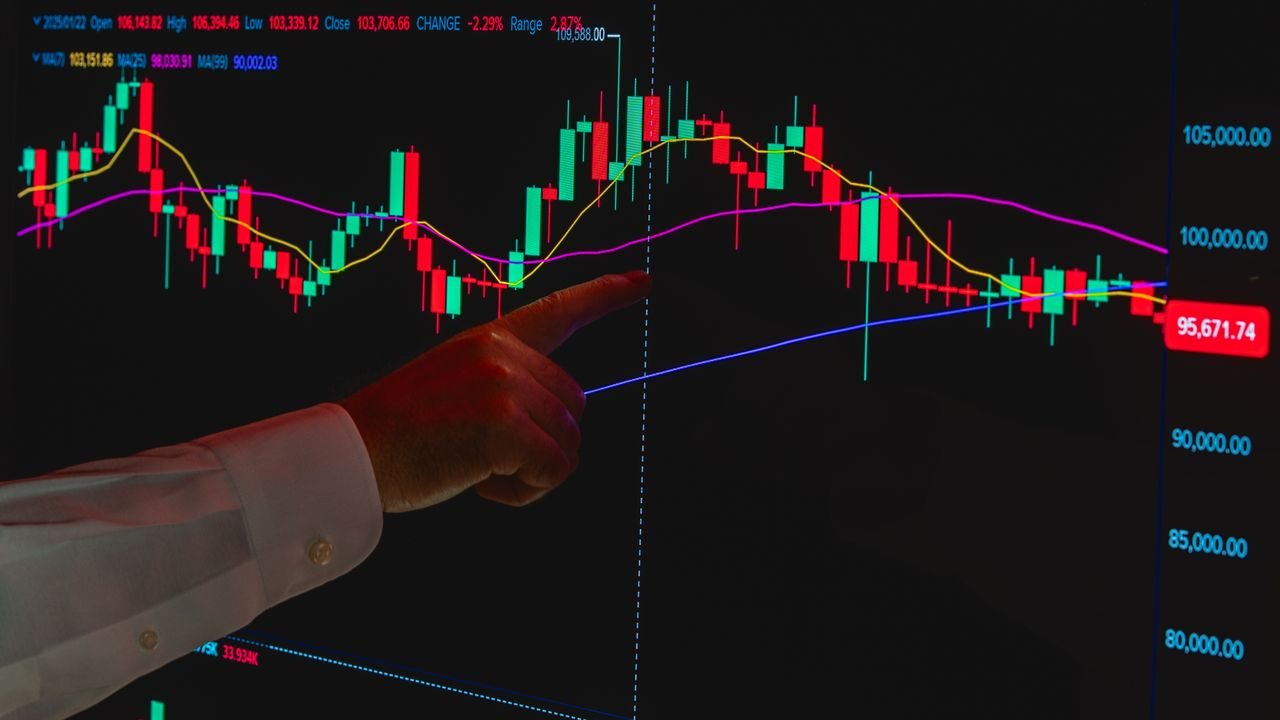
Start with how candlestick charts are built, then learn to see trend, range, support and resistance on a clean chart. Our step-by-step guide to reading price action without indicators is a good next stop.

5. Demo practice with a sign-off rule
Practise your plan on a demo account, logging every trade. Set the rule for moving to live money before you start, so excitement cannot move the goalposts. We cover that rule in detail below.
6. Psychology
Fear, greed and the urge to win back a loss affect everyone. Learn the common psychological hurdles traders face before you meet them with real money, and decide in advance what you will do after a losing run.
| Skill | Why it matters before live money | How to know you’ve got it |
|---|---|---|
| Market mechanics | Leverage magnifies losses | You can explain spread, margin and a margin call |
| Risk and sizing | One bad trade can’t sink the account | You size every demo trade correctly from the stop |
| Written plan | Removes decisions made under stress | Each logged trade cites a rule from the plan |
| Chart reading | You trade structure, not hunches | You can mark trend and key levels consistently |
| Demo practice | Tests the plan at zero cost | You meet your sign-off rule |
| Psychology | Rules only work if followed | No rule breaks after a losing run |
Learn trading before investing money: a demo sign-off rule
Forum advice on demo time ranges from a month to a year, and “until you’re profitable” is too vague to act on. We prefer a sign-off rule built on behaviour and sample size rather than the calendar.
- Log at least 50 demo trades taken from your written plan.
- Follow your entry, stop and size rules on every one of them, with no exceptions.
- Keep the worst drawdown inside the limit your plan sets.
- Review the log and check that results came from the setup, not one lucky trade.
- Only then move to a small live account, at the same or lower risk per trade.
The step from demo to live feels different, and that is the point. Our article on why you should eventually trade with real money explains what live trading teaches that a demo cannot, such as slippage and real emotional pressure.
Worked example
Example: a learner plans to open a £2,000 live account and risk 1% per trade, which is £20. On demo, they log 50 trades with a stop of 40 points on average, so their size is £0.50 per point.
Two trades broke the rules: one stop was moved and one trade was doubled after a loss. Under the sign-off rule, the count restarts and they do not go live yet. The lesson cost nothing but time, which is exactly the trade this Trading Top Tip asks you to make.
Common mistakes

- Learning setups before risk. Entries feel exciting, but sizing is what protects the account.
- Treating a good demo month as proof. A few weeks is too small a sample to judge a method.
- Going live with bigger size. Start smaller than on demo, not larger, while you adjust to real money.
- Trading without stops. Our first tip, always use a stop loss, exists for a reason.
- Holding losers to avoid being wrong. The series tip on how to cut losses early and move on deals with this habit.
- Skipping the plan. Without one, every trade becomes a fresh guess.
Frequently asked questions
What is the first thing a beginner should learn in trading?
Risk management, closely followed by how leverage works. You can learn setups later, but without sizing rules a single bad trade can end the learning process early.
How long should I demo trade before using real money?
There is no fixed time. We suggest a sample of at least 50 trades that all follow your written rules, with drawdown inside your limit, rather than a set number of weeks.
Can I learn trading without losing money?
You can learn the basics, build a plan and practise on a demo without risking capital. Once you trade live, losses are part of trading, so the aim is to keep them small and planned.
Do I need a trading plan as a beginner?
Yes. A short written plan is the easiest way to see whether losses come from the method or from not following it, and that is the question every beginner needs answered.
Next steps
Read our beginner’s guide to price action trading from the ground up for the method behind the chart-reading step. Then continue the series with the tips above on stop losses and cutting losses early.
If you would like a structured route through all six areas, the basics section of The Two Traders price action course is free. The full course runs from building a foundation to trading psychology, at your own pace.
This article is for education only and is not financial advice. Trading leveraged products such as CFDs and spread bets carries a high risk of losing money.