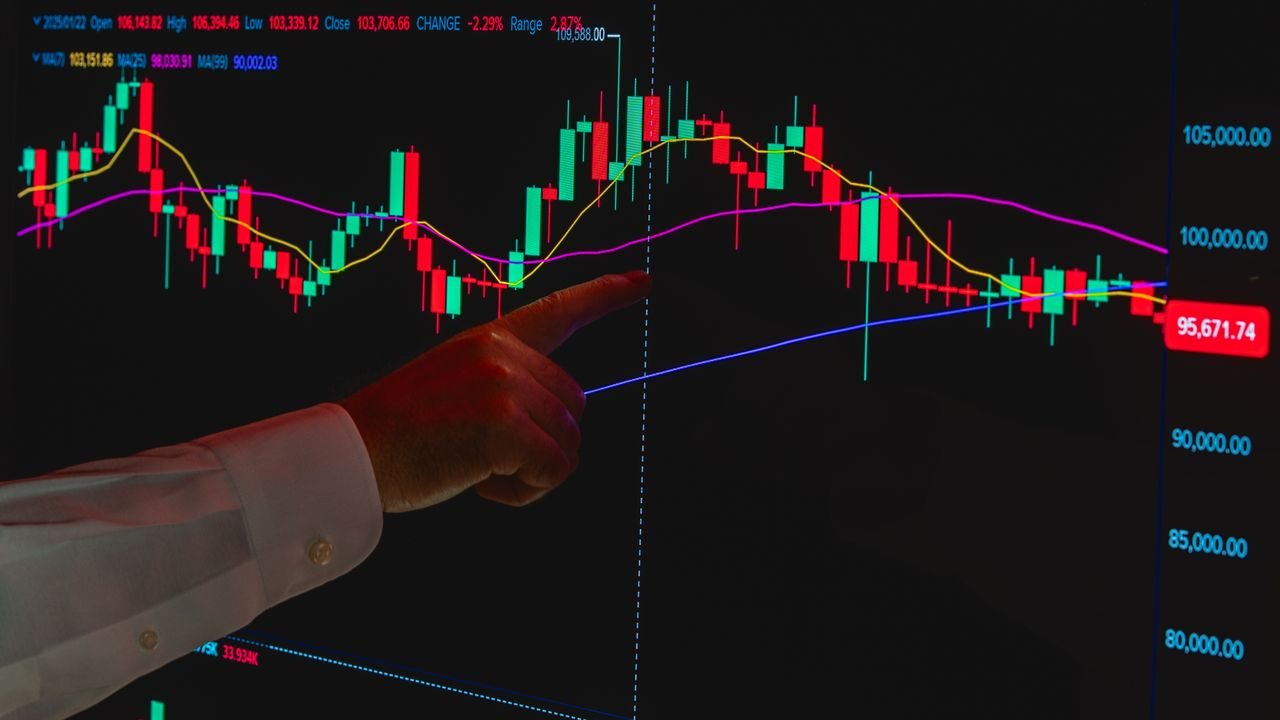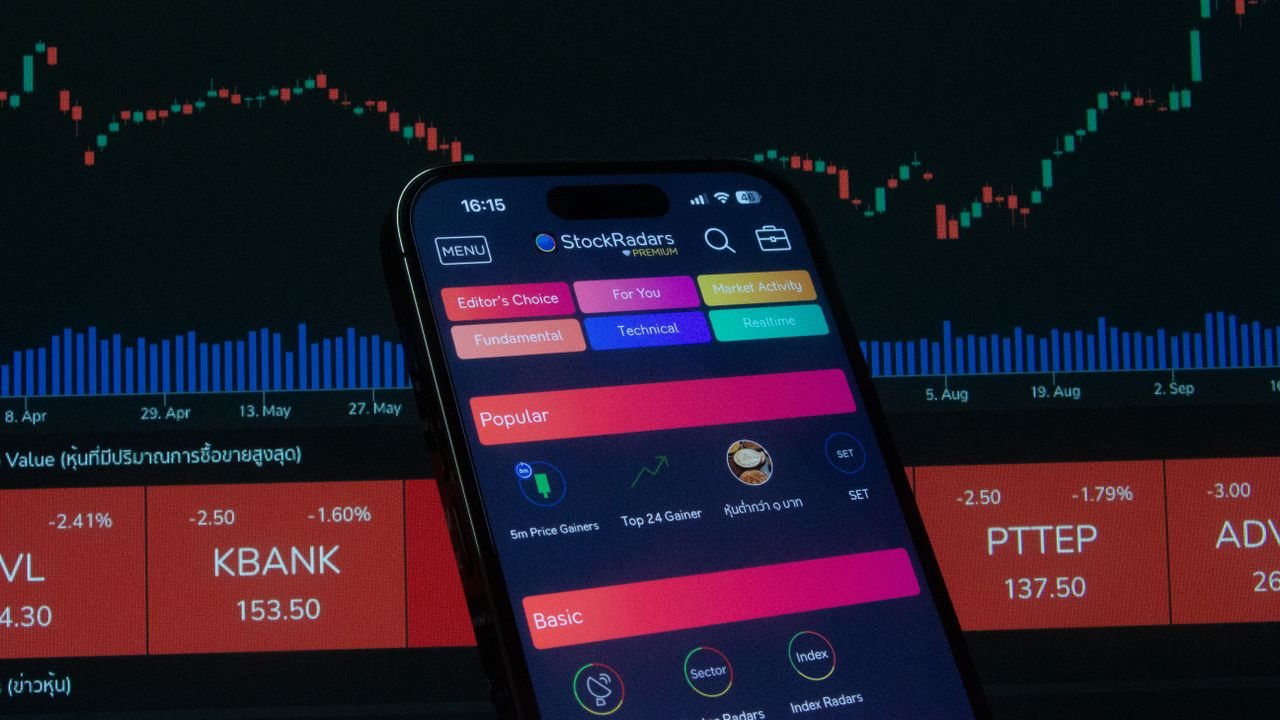

The right time for when to move from demo to live trading is not a date on the calendar. It is when you can follow a written plan on a demo account sized like your real one, for enough trades to trust the numbers. Then you switch with a smaller stake than you think you need.
Quick answer: when should you move from demo to live trading?
Move when you can explain every trade from a written plan, have followed your risk rules over a meaningful sample of demo trades on a realistic balance, and know the platform well. Start live with a reduced stake, because real money changes how you behave, and scale up only after your live record matches the demo.
What a demo account can and cannot teach you
A demo account uses virtual money on a live or delayed price feed. It is the safest place to learn how orders, stops and position sizes work, and to test whether you can apply a method consistently.
What it cannot do is make a loss hurt. Experimental economists Charles Holt and Susan Laury found that people became sharply more risk averse when large payoffs were paid in real cash, while scaling up hypothetical payoffs made no significant difference. Traders describe the same thing: hesitation, stops moved and trades closed early once the money is real.

| Factor | Demo account | Live account |
|---|---|---|
| Money at risk | None | Your own capital |
| Typical balance | Often far larger than yours | What you can afford to lose |
| Fills and slippage | May fill at the price you click | Can slip in fast markets |
| Emotions | Muted | Fear, hope and greed are real |
| Best use | Learning the method and platform | Proving you can follow it |
Trading with real money vs demo: Dave’s original advice (June 2020)
Dave first wrote this post on 8 June 2020 as “5 reasons why you should trade with real money”. His core points still hold, so we have kept his words below. On making money, he wrote:
A demo account will give you more ‘money’ to trade with than you would ever imagine. You can make plenty of virtual profit from a demo, but it’s nothing like the same as when you bank some real profit for the first time.
On losing money, which he rated as more important:
More important (yes, I am not kidding) than Making Money are the emotions associated with Losing Money. Boredom, greed, fear and hope; all are emotions you will only truly experience with a real account. It is a rite of passage to lose trades, and an important lesson.

On commitment and persistence:
You are now committed to your trading. You have invested your own money in it. The very fact that you have invested your hard earned money will spur you on to continue learning and, hopefully, earning.
It is inevitable that you will experience drawdown (you cannot win them all), but it is how you react to this that dictates how you are as a trader. You do not get the same experiences on a demo.
When Dave said to use a demo account
Firstly, when you are completely new to trading. You have to learn how everything works, which is much easier (and safer) when you are not risking money. Do not use a real account until you are familiar with the basics.
Secondly, when you are switching to a new broker. Unless you use the metatrader platform, each broker will have its own user interface and quirks. It is essential to understand how to use the platform properly before you start risking your own money.
He summed it up simply: “Everything changes when it is your own money on the line.” Dave suggested at least a month on demo for a complete beginner. We treat that as a minimum and add the conditions below.
When to move from demo to live trading: a readiness checklist
Time on demo matters less than what you can show from it. Before switching, you should be able to tick every item:
- A written plan. Markets, timeframe, entry rules, stop placement and exits are on paper.
- Realistic balance. The demo has been reset to the amount you will actually deposit.
- Fixed risk per trade. Every trade risked the same small share of that balance.
- A meaningful sample. At least 30 to 50 trades, so a lucky week is not mistaken for skill.
- Rules followed. Your journal shows you took the setups in your plan and skipped the rest.
- Platform fluency. You can place, amend and close orders, including stops, without hesitation.
- Money you can lose. The deposit would not affect bills, savings or sleep.
The sample-size point is a rule of thumb from our own practice, not a magic number. If you are unsure how to set the risk figure, our guide on how much to risk per trade covers it, and a weekly trading review of your own trades is the easiest way to check that you followed your rules.

How to make the switch without a big early loss
The first live weeks are about behaviour, not profit. Keep the method identical and shrink only the stake, so any change in results comes from you rather than the setup.
Example: suppose you plan to deposit £2,000 and your rule is 1% risk per trade, which is £20. For your first 20 live trades you halve that to £10. With a 25-point stop on an index spread bet, your stake is £10 divided by 25, or 40p per point. Our guide on calculating position size from your stop distance walks through the arithmetic.
Spread bets and CFDs are leveraged, so a small deposit controls a larger position and losses can build quickly. Read how margin and leverage work before your first live trade, and keep every stop in place.
Keep the demo open too. It is still the right place to test a new idea or a new broker’s platform, as Dave advised.
Common mistakes
- Demoing on a huge balance. A £100,000 demo teaches nothing about a £2,000 account.
- Switching after a hot streak. Ten good trades is a small sample, not proof.
- Raising size straight away. Bigger stakes amplify the emotions you have not yet met.
- Changing the method when live losses arrive. Check your journal first; the problem is often execution.
- Staying on demo forever. Past a point, more demo trades add little, because they cannot teach the emotional side.
Our guide on how to stop emotional trading with a daily routine helps with the last three.

Frequently asked questions
How long should I trade on a demo account?
There is no fixed period. A month is a sensible minimum for a complete beginner, but the real test is a written plan followed over a meaningful sample of trades at a realistic balance.
Why am I profitable on demo but losing on live?
Usually because behaviour changes when money is real: hesitating on entries, moving stops or closing winners early. Larger stakes than you practised with, and slippage in fast markets, can add to it. Reducing your stake and journalling every trade shows which it is.
How much money should I start live trading with?
Only an amount you can afford to lose without affecting your finances. What matters more is risking a small, fixed share of it on each trade, so a losing run does not end your account.
Should I go back to a demo account?
Yes, when you change broker or platform, or want to test a new idea. Use it to learn the mechanics, then return to your live account.
Next steps
Our guide to the five psychological hurdles traders face explains why the switch feels so different. For a sibling read, see our tip on what to learn before you start trading.
If you want a structured method to practise on demo first, the basics section of our price action trading course is free to start.
This article is for education only and is not financial advice. Trading leveraged products such as CFDs and spread bets carries a high risk of losing money.