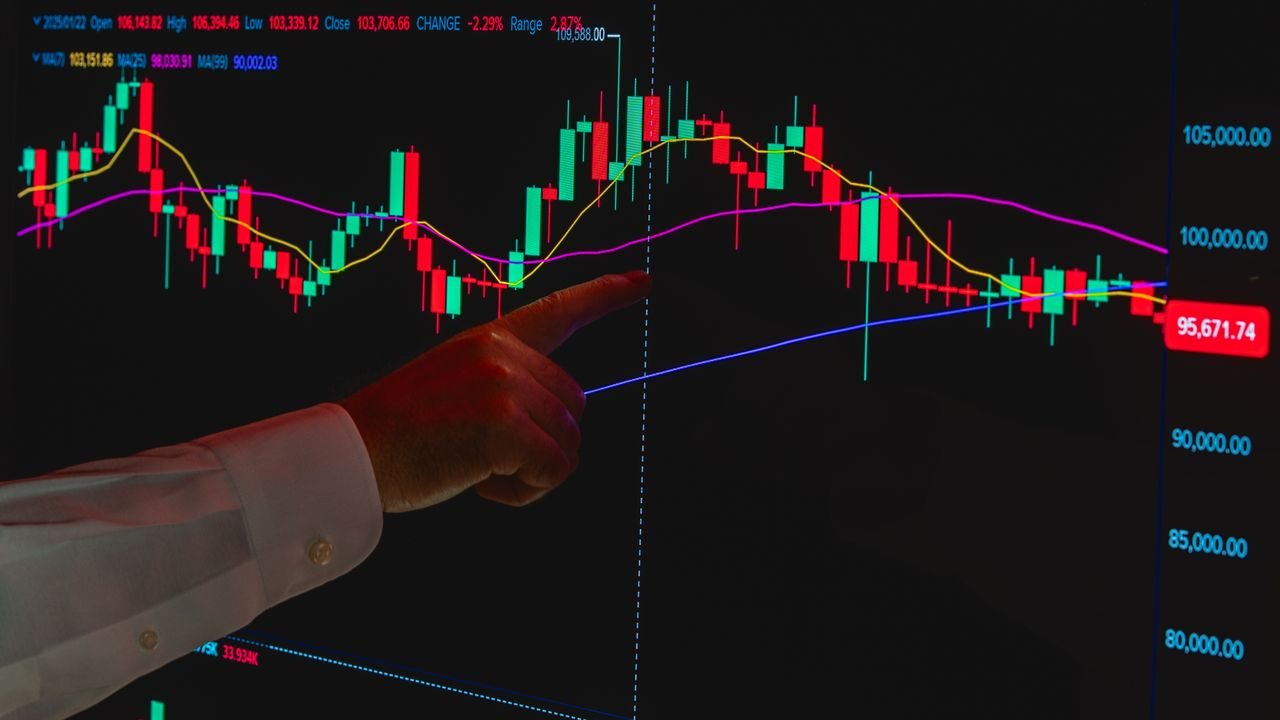

Oil, gold, coffee and wheat are raw materials first and trading instruments second. This guide covers how to trade commodities UK traders can actually access: the three main groups, what moves each one, how a contract turns into £ per point, and a price action routine that keeps risk in check.
Quick answer: how do you trade commodities in the UK?
Most UK retail traders use spread bets or CFDs on commodity prices rather than buying the physical goods or full futures contracts. Pick one market, learn what drives it, mark its key levels, wait for a price action trigger, and size the stake in £ per point from your stop so one loss stays small.
The three commodity groups and what drives them
Commodities split into energy, metals and agriculturals. Each answers to different news and moves at a different pace, so learn one group before adding another.
Energy: crude oil and natural gas
Energy prices respond to supply decisions by producer groups such as OPEC+, weekly inventory and storage figures, and the season. Natural gas in particular can move sharply on weather forecasts. We cover the detail in our guides to how to trade oil with price action and natural gas price action trading.
Metals: gold, silver and copper
Gold tends to react to interest rate expectations, the US dollar and demand for safety. Copper is an industrial metal, so it follows manufacturing and construction demand, and silver sits somewhere between the two. Our walkthrough of price action trading gold shows the approach on the metal most beginners start with.
Agriculturals and soft commodities
Grains such as wheat, corn and soybeans are driven by planting, harvests and crop reports. Soft commodities are grown rather than mined: coffee, cocoa, sugar, cotton and orange juice. Weather in a handful of producing regions can swing them hard, and they often trade in thinner markets with shorter hours.

| Group | Typical markets | Main drivers | Watch out for |
|---|---|---|---|
| Energy | Brent, WTI, natural gas | Supply decisions, inventories, weather | Big moves on weekly data |
| Precious metals | Gold, silver | Rates, US dollar, risk mood | Sharp spikes on central bank news |
| Industrial metals | Copper | Factory and building demand | Sensitive to growth data |
| Grains | Wheat, corn, soybeans | Crops, harvests, exports | Gaps after crop reports |
| Softs | Coffee, cocoa, sugar, cotton | Weather, crop disease, seasons | Thinner liquidity, wider spreads |
How UK traders access commodity markets
Professional traders use exchange futures, which are standardised contracts for a fixed quantity on a set date. For most beginners, a full futures contract is simply too big.
Instead, most UK retail traders use spread bets or CFDs priced off those futures or off the spot price. Some investors buy exchange-traded commodities instead, which avoids leverage but suits longer holding periods.
Contract specs and £-per-point sizing
A standard WTI crude oil future covers 1,000 barrels, so a $1 move changes its value by $1,000. A spread bet lets you choose a stake in pounds per point instead, which is why it suits smaller accounts. Always read the provider’s contract specification first, because what counts as one point differs between markets and providers.
On oil a point is often one cent, while on gold it may be ten cents or a dollar. Check the hours, minimum stake, margin rate and whether the bet is undated or tied to a futures expiry. Undated positions carry overnight funding, and dated ones may need rolling over. For gold, our guide to the best time to trade gold in the UK covers the sessions.

Worked example: sizing a hypothetical oil trade
Example: on a £5,000 account, a trader risks 1%, or £50, on a hypothetical oil spread bet. The stop sits 80 points (80 cents) below entry, under a demand zone. Dividing £50 by 80 points gives a stake of about £0.62 per point, rounded down to £0.60.
If the stop is hit, the loss is about £48 plus spread, unless price gaps through the level. The same maths applies to any market, and our guide on how to calculate position size for a spread bet walks through it step by step.
Volatility and leverage: the risks to respect
Commodities are often more volatile than major currency pairs. A single storage report, a supply announcement or a frost in a growing region can move price further in an hour than it moved all week. The IMF’s monthly primary commodity price data are a sober place to see how far benchmark prices have swung over the years.
Spread bets and CFDs are leveraged, so a small deposit controls a much larger position. That magnifies losses as well as gains, and a fast move or a weekend gap can take an account down quickly. Read margin and leverage explained for beginners before you trade any commodity with borrowed exposure.
Commodity trading for beginners: a price action routine
Commodity trading for beginners works best with a short, repeatable process rather than a stream of news. This is the routine we use on any commodity chart:
- Choose one market and learn its hours, contract spec and scheduled reports.
- Start on the weekly and daily charts to judge direction, as in our top down chart analysis walkthrough.
- Mark the zones where price turned sharply before, using how to draw supply and demand zones.
- Wait for price to reach a zone and show a trigger on a lower timeframe.
- Place the stop beyond the zone, size the stake from it and note the target.
- Stand aside before major reports if you cannot accept the gap risk.

From the desk (March 2019)
This is Karl’s original watchlist from March 2019, kept as he wrote it. It is historical commentary, not a current view.
Here are some of the Forex and Commodity markets we are currently watching, potentially looking to find entries over the next few days.
Coffee is at a low but will we see a reversal? Nat gas is trying to reverse after hitting support, has GBPUSD reversed or have we just seen a pullback? And where next for EURGBP after it hit its lowest point in 2 years?
Learn how to spot these patterns effectively…

Those questions still frame a good watchlist: is this a reversal or a pullback, and is price at a level that matters?
Common mistakes when trading commodities
- Sizing like forex. Using the same stake on gas or cocoa as on a slow currency pair ignores the bigger daily range.
- Not reading the contract spec. Misunderstanding what one point is worth can multiply a loss.
- Trading the report. Holding oversized positions into inventory or crop data invites gaps through stops.
- Catching falling knives. Buying because a market “can’t go lower”, without a level or a trigger.
- Forgetting costs. Overnight funding and rollover add up on positions held for weeks.

Most of these come down to risk rather than analysis. Our guide to building a rules-based risk model sets out the rules we apply across every market.
Frequently asked questions
Can you trade commodities with a small account?
Yes, through spread bets or CFDs that allow small stakes per point. The account size matters less than keeping each loss to a small, fixed share of it.
What are soft commodities?
Soft commodities are crops that are grown rather than mined or extracted, such as coffee, cocoa, sugar, cotton and orange juice. They are heavily affected by weather and growing seasons.
Which commodity is best for beginners to learn first?
Many beginners start with gold or oil because both are liquid and widely covered. Whichever you choose, study one market until its hours, drivers and typical range feel familiar.
Is spread betting on commodities tax-free in the UK?
Spread betting profits are generally treated differently from investment gains for UK tax purposes, but treatment depends on your circumstances and rules can change. Check current HMRC guidance or speak to a qualified adviser.
Next steps
Commodities reward the same discipline as any other market. Start with what price action trading is and how it works to build the foundation.
If you want a structured path from foundations to trading psychology, the basics section of The Two Traders price action trading course is free.
This article is for education only and is not financial advice. Trading leveraged products such as CFDs and spread bets carries a high risk of losing money.