What are futures contracts? They are agreements to buy or sell an asset at a price fixed today, for delivery on a set date in the future. Most traders close or roll the contract before it expires, and for retail traders that rollover is where the surprises happen.
Quick answer: what happens when a futures contract expires?
A futures contract ends on its expiry date, when holders must settle or take delivery. Traders close or roll into the next contract first. For CFDs and spread bets on futures, the provider closes the old contract and opens the next one, and the price gap between them is usually offset by an adjustment.
What are futures contracts? Our April 2020 post
We first published this post in April 2020. The original words follow, without broker references.
Rollovers and contract expiration are some of the most confusing terms for retail traders. It is vital to understand what these are and what implications they might have for your trading. You can avoid being caught out and losing money if you understand rollover. So, what are futures contracts and how does rollover work?
What is a futures contract?
Let’s start from the beginning. To understand rollover you have to first understand the futures markets. A futures contract is an agreement between a producer and an investor, for the purpose of avoiding market volatility.
This contract fixes the price of the deal, for delivery of the goods on a specified date in the future (hence futures contract). In order for sustainable production, the producers need a relatively stable income and that is why these fixed price contracts are agreed.
The key is that the investor takes both the risk and the reward of the volatile market. This means if the price of the asset drops, the investor is paying over-market for the goods; whereas if the price of the asset rises, the investor is paying under-market for the goods.
Let’s look at an example
A coffee farm (the producer) sells coffee beans at $4 to an investor. They agree on this price after some negotiation; the producer is making a good profit and the investor is happy with the value they are receiving as well as the risk they are taking.
If the price of coffee then drops below a certain rate, the investor is contractually obliged to pay the difference to the farmer (i.e still pays $4 even though the market price is $3 for example). If the price of coffee climbs above a certain price, the investor gets to keep the profits (i.e still pays $4, even though the market price is now $6).
What is a futures market?
The futures market is where participants can buy and sell these contracts for delivery on a specified date in the future. For the participants, this also locks in the price and therefore offsets the market volatility.
However, as we saw recently on the Oil market, the expiration of contracts can cause panic if there is insufficient liquidity in the market! The delivery date or expiration date of these contracts is usually a monthly or quarterly occurrence; depending on the market instrument (e.g Crude Oil has a monthly rollover).
End-Users vs. Traders
The two key players in futures markets are End-Users and Traders. The end-user is someone, usually representing a company, who wants to purchase and use the physical asset. For the coffee bean example, companies like Nescafe would be an End-User since they want to use the coffee beans to create their coffee.
Traders, however, have no intention of taking delivery of the asset. These traders, often representing hedge funds and trading sizeable accounts, are using the volatility of the market to profit from buying and selling these contracts.
Before the expiration of the contract, traders will look to liquidate (sell-off) or rollover their futures holdings. This is because they do not have the storage or infrastructure to actually take delivery of the asset. Normally rollover is relatively straightforward and cheap to do, when the price difference between the expiring contract and the new contract is small. However, as we saw recently with crude oil, there was a significant gap between the prices which made the cost of rollover very unattractive to traders.
How does rollover work for retail traders?
You, like me, are likely classified as a retail trader. This means someone who trades via a brokerage firm or investment account and trades in relatively small amounts compared to institutional investors.
Due to the way online brokers function, they manage the rollover of futures contracts so that the traders do not have to worry about it. The broker rolls over the contract in advance of expiration; subject to their rollover table . This enables retail traders to keep positions open when the contract switches.
What are “swap points”?
To account for the difference in price when a futures contract rolls over, the broker gives out “swap points”. If you had a buy position and the price gaps up because of the rollover, the difference in price is taken from your trade as negative swap points equal to the amount your trade ‘artificially’ profited.
If you had a sell position and the price gaps up because of the rollover, the difference in price is added to your trade as positive swap points equal to the amount your trade ‘artificially’ lost.
Important note
Since brokers usually have a ‘market execution’ policy, any stop losses, take profits or limit orders that are surpassed by the rollover gap will be executed as normal. This could result in your trade being stopped out early. Stop losses, take profits and orders do NOT automatically adjust when the contract rolls over.
How can you reduce your risk?
Firstly, make sure you’re aware of when a rollover might happen. Take note of the dates of the rollover. Make sure that you have either closed out positions or moved stop losses, take profits and orders. I recommend closing the position before rollover and reopening at the new price to avoid any mistakes. Positions in these futures markets are published weekly in the Commitment of Traders report.
Does rollover affect indicators?
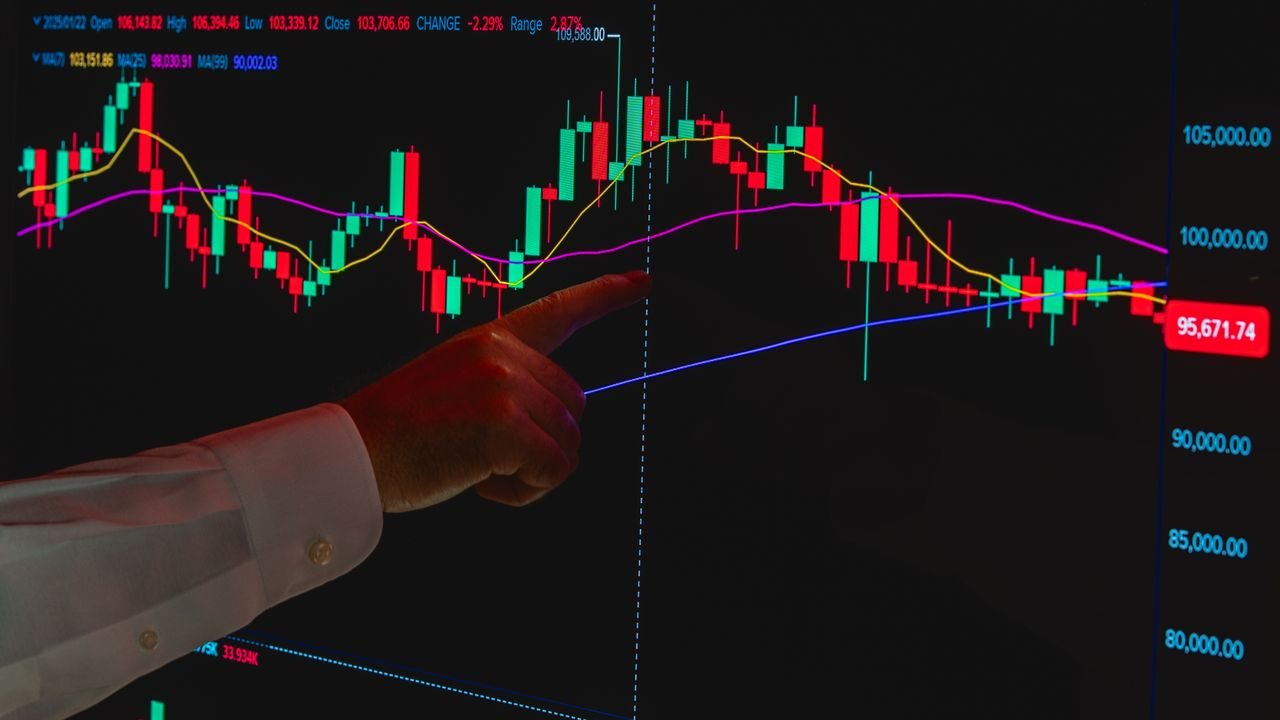
Yes. Since there is a gap in the market caused by the contract rollover rather than normal price action, indicators like moving averages will be affected by it and skewed. This is something you just have to be aware of.
Although initially the indicator may jump, after a few days it would usually average out and once more be representative of the price action. Obviously if your moving average is over a shorter time-frame then it will be more affected by the rollover gap.
In summary
Rollover occurs when futures contracts expire and roll over to the next period. Futures contracts are agreements to fix the price of an asset for the benefit of the producer. These contracts are traded on the futures market.
As a retail trader your trade is automatically rolled by the broker, and swap points are awarded as appropriate. To avoid undesired close-out or opening of trades, make sure you know when rollover is going to happen.
What has changed since 2020
The US Energy Information Administration reports that on 20 April 2020 front-month WTI crude oil futures traded below zero for the first time since 1983, as low as -$40.32 a barrel. Our desk’s view that month is in our April 2020 post on oil at an 18-year low.
Today some providers shift stops by the gap and others do not, and undated products roll differently.

How futures expiry and rollover work
Futures are standardised, exchange-traded derivatives, settled daily through a margin account, as the CFA Institute explains. Each contract has a fixed size and expiry month. Before the last trading day, a holder can:
- Close with an offsetting trade.
- Roll into a later month.
- Hold to expiry and settle in cash or by delivery.
The EIA notes that only about 1% of futures traded go to physical delivery. The price difference between the expiring and next contract is the gap on a continuous chart.
Dated vs undated spread bets and CFDs on futures
UK retail traders usually trade spread bets or CFDs priced from futures. Both are leveraged, so a small move can mean a large loss; see how margin and leverage work for UK beginners.
| Feature | Dated (futures) bet or CFD | Undated (cash) bet or CFD |
|---|---|---|
| Expiry date | Yes | No fixed expiry |
| At the roll | Closed, or rolled if you allow it | Moves to the next contract |
| Price gap | New position at the new price | Offset by a cash adjustment |
| Overnight funding | Usually none | Charged nightly |
| Spread | Often wider | Often tighter |
Check your provider’s roll date, stop policy and roll costs.

Worked example: an oil position through a rollover
Example: on a £10,000 account, a hypothetical trader holds a dated oil spread bet, bought at £2 per point at 7,500 with a stop at 7,350, so £300 is at risk. On roll day the price is 7,520 and the next month trades at 7,440.
- The old bet closes at 7,520, banking 20 points × £2 = £40.
- The new bet opens at 7,440, possibly with a spread or fee.
- Check the stop. Left at 7,350, it is now 90 points away instead of 170. Shifted by the gap, it moves to 7,270.
On an undated bet the same roll looks like a £160 loss on the chart, and the provider credits about £160 to offset it. Our guide on how to calculate position size for spread bets and CFDs shows how to resize after a roll.
Common mistakes around contract expiry
- Not knowing which product you hold. Dated and undated bets roll differently.
- Reading the gap as a breakout. Check where to place a stop loss with price action after a roll.
- Forgetting monthly markets. See trading oil with price action and natural gas price action trading.
- Holding through thin last days. Liquidity drains before expiry.

Frequently asked questions
Do CFDs expire?
Most CFDs have no expiry date, but CFDs on futures do. Undated commodity CFDs move to the next contract with a cash adjustment instead.
Will I have to take delivery of oil?
Not with a spread bet or CFD, which settle in cash. Delivery applies to exchange futures held to expiry.
Does rollover cost money?
The gap is usually offset, but a dated roll can carry a spread or fee, and undated positions pay overnight funding.
Next steps
Read how to trade commodities with price action and our rules-based risk management model.
Risk and position sizing are part of our price action trading course, and the basics section is free to start.
This article is for education only and is not financial advice. Trading leveraged products such as CFDs and spread bets carries a high risk of losing money.