In December 2020 we announced a university trading course and group trading challenge for final-year economics students at the University of Bath. This post keeps that announcement exactly as we published it, then explains what the programme involved and how to judge any trading course.
Please read it as a dated news item. It describes the 2020 announcement, not a statement that the programme is running in the current academic year.
December 2020: our original announcement
The text below is the announcement as it appeared in December 2020. We have only removed two stray spaces and replaced the closing sign-up lines, which no longer work, with a note at the end of this section.
The Two Traders Support University of Bath Students
We are excited to announce that we are working with the University of Bath to provide our leading trading course and trading challenge. The University is ranked 6th in the UK by the guardian and has a flourishing and diverse student population. Placements and extra-curricular activities are highly encouraged to enrich the students’ learning.
The University contacted us at The Two Traders to provide an applied learning course for Economics students, who were unsuccessful in obtaining placements this year. We designed a bespoke Trading Education Programme to suit the University’s needs and academic calendar, and have been delivering this service since October 2020.
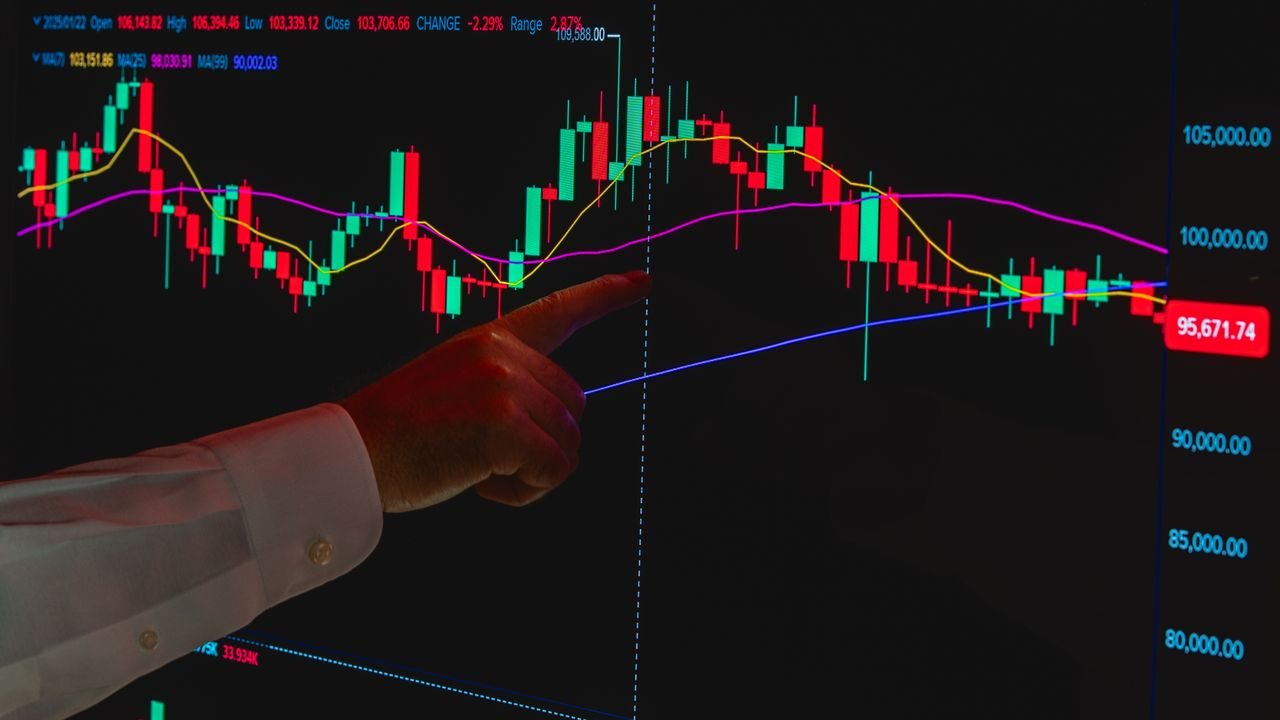
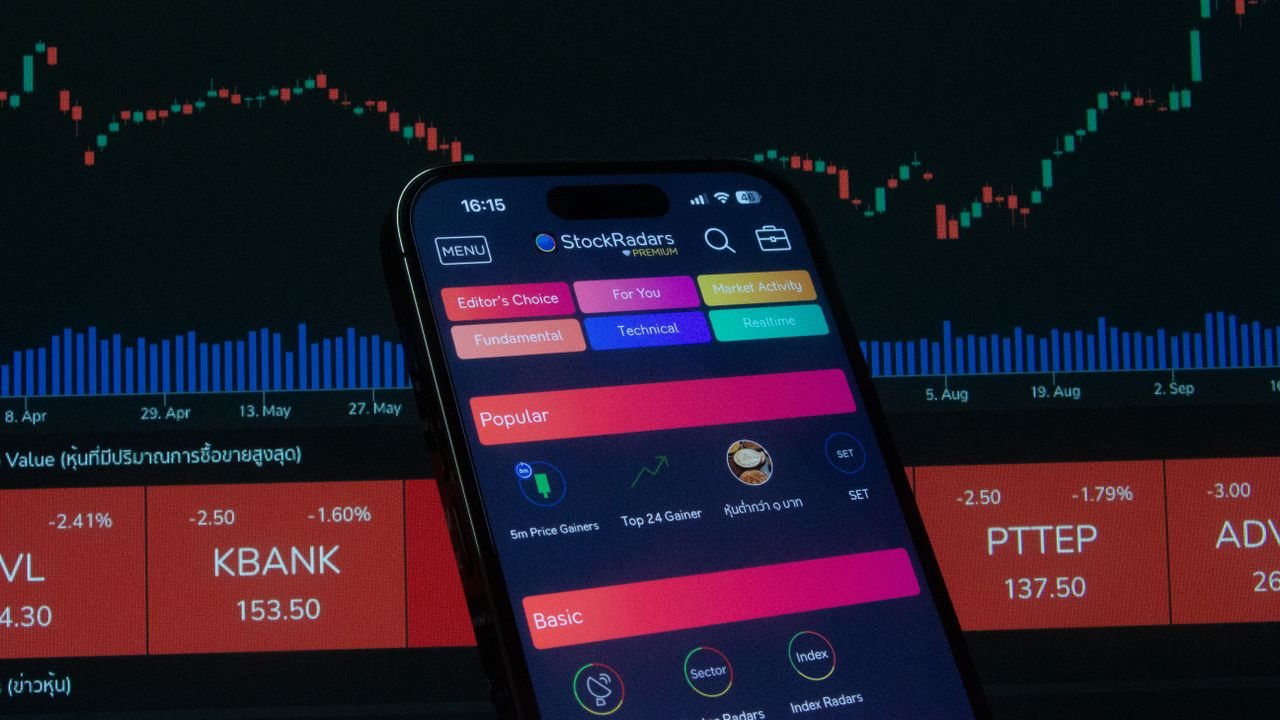
A number of final year students in the Faculty of Humanities & Social Sciences were given access to our trading course, and use demo trading accounts to gain experience on the Foreign Exchange, Commodities and Cryptocurrency markets. The programme culminates in a group trading challenge, putting the learning into practice in an exciting competitive environment. At the end of the programme the students receive certificates as proof of participation, and a team is crowned the winner of the competition!
Students benefit from:
- Transferable skills in risk and money management
- Psychology and market emotions and self-awareness in decision making
- Ability to develop a process-orientated approach to problem solving
- Practical experience in the financial markets and trading systems
- Application of economic principles
- Teamworking skills
- Completion Certificate to display on their CV and LinkedIn


Emily Richards, Humanities and Social Sciences Business Engagement Manager, commented: “We’re committed to offering innovative opportunities for students who don’t undertake a placement to develop their applied skills, particularly in a year when placements have been disrupted. The trading programme offers something unique for economics students and breaks down barriers to entering an employment sector often considered inaccessible to many. This programme is especially relevant for any students interested in a career in the finance or investment banking sector.”
A couple of students will be blogging about their experiences throughout the programme. In his first blog post, Michael explains how the course has been so far: “The content is conveniently broken down into digestible weekly sections, with regular testing in order to ensure that you have a full understanding of what you have learned. If there is any aspect which you have struggled with, Karl, David or Patrick will be happy to offer help in the weekly Q&A sessions.”
Looking ahead to the New Year we are moving into the business end of the trading programme, with the competition heating up and the students needing to apply everything they have learnt in order to be the best traders. We can’t wait to see what they achieve!

Notes on the 2020 text
The ranking line refers to the Guardian University Guide 2021, published in September 2020. The University’s own page confirms it ranked 6th nationally in the Guardian University Guide 2021. League tables change every year, so treat it as a figure from that edition only.
The original post ended with an invitation to enrol and an email address for programme enquiries. That address has not survived, so if you have a question about the programme, please use our contact page for enquiries.
What the Bath programme involved, at a glance
The University published its own account of the programme on 14 December 2020. Its announcement of the online trading education programme adds a few details to ours, and the table brings both together.
| Element | As described in December 2020 |
|---|---|
| Who could take part | Final-year Economics, Politics with Economics and International Development with Economics students without a placement |
| Format | Online course in weekly sections, regular testing, live webinars and weekly Q&A |
| Markets | Foreign exchange, commodities and cryptocurrency |
| Money at risk | None: demo trading accounts only |
| How it ended | A group trading challenge, certificates and, per the University, an award event at the end of March |
| Delivered since | October 2020 |
The University’s page also describes The Two Traders as a business founded by University of Bath graduates. You can read more about who we are on our About Us page for The Two Traders.
Is the programme still running?
We can confirm what the two 2020 announcements say, and no more. The University’s page calls it an annual programme with an award event each March, and that page was last updated in February 2022.
We have not found a current public source that confirms the programme runs in the 2026/27 academic year. So this page is a record of the 2020 announcement. If you are a Bath student wondering whether it is available to you, ask your faculty’s placements or business engagement team directly.
What a university trading course or challenge usually involves
Schemes like this one differ in detail, but most UK university trading challenges we have seen share the same building blocks. Knowing them helps you get more from one, or judge whether it is worth your time.
- Structured lessons on how markets move, risk and money management, and decision-making.
- A demo account, where you trade with simulated money at live prices.
- A competition, often in teams, with a leaderboard over a fixed period.
- Some form of feedback, such as webinars, Q&A sessions or a review at the end.
- A certificate or award to show on a CV.
What a demo challenge can and cannot teach
A demo account is a good place to learn order types, position sizing and a routine without losing money. What it cannot give you is the pressure of real money, which is where most beginners’ discipline breaks. Our guide on when to move from demo to live trading covers that step.
In our experience, leaderboards also reward oversized risk, because a team that bets heavily and gets lucky can finish top. The more useful lesson is the process: did you follow your rules, size positions sensibly and review your trades? That is what carries over to any later career in finance.
How to judge any trading course, university-linked or not
A university choosing a course for a programme is a useful signal that someone has looked at it. It is not a regulator’s approval, and it does not tell you whether the teaching suits you. These are the checks we would make:
- Does it teach a method you can apply yourself, rather than trade alerts to copy?
- Is risk management taught as a core topic, not an afterthought?
- Can you try part of it free before paying?
- Is the price clear, and do you know what happens after you pay?
- Does it avoid any promise of income or returns?
Our full guide on how to choose a trading course and spot a scam goes through each check in more depth. If you are starting from scratch, our guide to where to start when you learn to trade sets out the order we would learn things in.
Further reading
The Bath students were given access to our trading course. Today that course starts with a free basics section, so you can see how we teach before deciding anything: read about our price action trading course and its free basics section. Michael’s blog mentioned the weekly Q&A sessions, and we explain why learning alongside others helps in the benefits of a trading community.
This article is for education only and is not financial advice. Trading leveraged products such as CFDs and spread bets carries a high risk of losing money.